

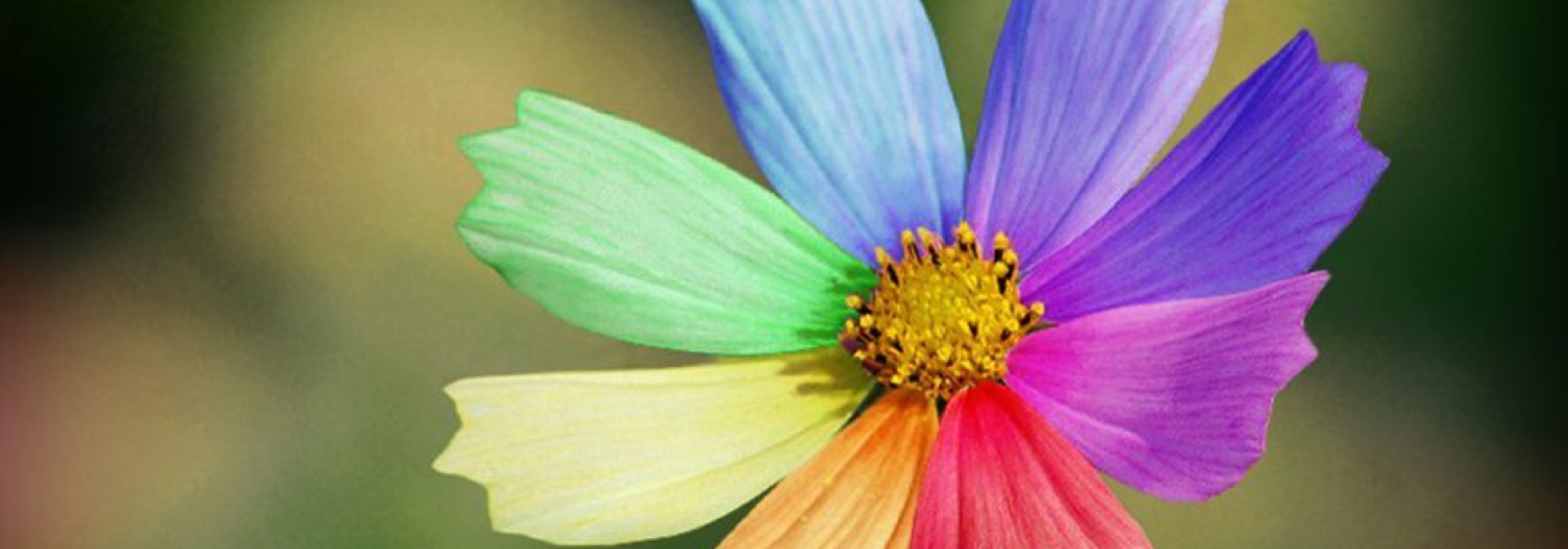
Flowers can say more than it may seem at first glance. Sometimes, expressing an emotion does not require several sentences — a thoughtfully chosen bouquet can do it all. The shade of the flowers plays an important role as well. Red can speak of passion, white of sincerity, yellow of joy, and pink of tenderness.
That is why, before ordering a bouquet, it is worth thinking not only about which flowers the recipient likes, but also about the message you want to convey. Let’s explore what the color of a bouquet means and how to use the language of shades to make a gift truly appropriate.
Why the color of flowers matters
Color influences our emotions and our first impression of a floral arrangement. The same type of flower can be perceived very differently depending on its shade.
For example, a red rose is traditionally associated with love and passion, while a white rose has a completely different symbolic meaning — purity, sincerity, and respect. Therefore, when choosing a bouquet, it is important to consider not only the visual beauty of the flowers but also the context of the gift.
At the same time, flower symbolism should not be treated as a set of strict rules. Modern floristry is much more flexible, and the meaning of flower shades can vary depending on culture, circumstances, and a person’s individual associations.
Red — Love, Passion, and Strong Feelings
Red is one of the most emotional colors in floristry. It attracts attention and is associated with strong feelings, energy, passion, and love.
Red roses are often given to loved ones when someone wants to emphasize the romantic nature of a relationship. Rich red shades are also suitable for anniversaries, milestone celebrations, and other important occasions.
If you want to make the arrangement more understated, red flowers can be combined with white, cream, or green elements. This makes the bouquet look more elegant and less dramatic.
Pink — Tenderness, Care, and Affection
Pink shades are associated with tenderness, kindness, care, and warm feelings. That is why pink flowers are often chosen as gifts for loved ones, friends, mothers, sisters, or colleagues.
A light pink bouquet looks delicate and romantic without carrying the same strong romantic message as red. A brighter pink adds energy to the arrangement and makes it more eye-catching.
Pink roses, peonies, eustomas, and hydrangeas look beautiful in monochromatic arrangements. They can also be combined with white flowers to create a soft and airy bouquet.
White — Sincerity, Purity, and Respect
White is often associated with purity, openness, peace, and sincere intentions. White flowers are versatile, which makes them suitable for many different occasions.
A white bouquet can be given for a birthday, anniversary, wedding, christening, or formal event. It is also a good choice when you want to express respect for someone.
One of the main features of white is its ability to make an arrangement look visually light and elegant. White roses, lilies, eustomas, and chrysanthemums look beautiful on their own as well as when combined with other shades.
Yellow — Sunshine and Positivity
Yellow has long been surrounded by various stereotypes, but modern floristry views this color quite differently. Bright yellow flowers are associated with sunshine, joy, energy, warmth, and optimism.
Such a bouquet is perfect for a birthday, professional celebration, or simply as a way to brighten someone’s day without a special occasion.
Yellow roses, sunflowers, chrysanthemums, and alstroemerias look particularly impressive in summer and autumn arrangements. They can be complemented with white or orange flowers to create an even more cheerful composition.
Orange — Energy, Warmth, and Admiration
Orange is an active and cheerful color. It is associated with energy, enthusiasm, creativity, and warm emotions.
An orange bouquet is a great choice for someone who enjoys bold solutions and is not afraid to experiment. It can make a wonderful gift for a friend, colleague, or loved one.
Orange flowers look especially harmonious in autumn, when nature itself suggests combinations with burgundy, yellow, cream, and green.
Purple — Mystery, Elegance, and Creativity
Purple has a more mysterious character. It is associated with creativity, individuality, elegance, and depth.
Purple arrangements are often chosen for people with a distinctive sense of style. Lavender, lilac, and rich purple shades can be used to create either a delicate or a striking bouquet.
Light purple flowers pair beautifully with white and pink, while deeper shades can be complemented with greenery or burgundy accents.
Blue and Light Blue — Calm and Harmony
Blue and light blue flowers are less common in nature, which makes bouquets in these shades particularly eye-catching. They are associated with calmness, harmony, freshness, and lightness.
Delicate light-blue arrangements are suitable for someone to whom you want to wish inner peace or simply give pleasant emotions. Dark blue shades look more sophisticated and reserved.
These colors work especially well in modern floral arrangements, particularly when combined with white, cream, and green flowers.
Green Flowers — Freshness and Natural Beauty
Green is associated with nature, life, renewal, and harmony. In floristry, it is most often used as a complementary color, but green flowers can also become the basis of an unusual arrangement.
Green chrysanthemums, hydrangeas, and other flowers in unusual shades are a great choice for those who appreciate originality. Such a bouquet looks fresh and distinctive, especially when complemented with natural greenery.
How to combine shades correctly in a bouquet
You do not have to choose just one color. In fact, a thoughtful combination of shades can help create an arrangement with a particular mood.
For example, white and pink create a delicate and romantic look, red and white appear festive, yellow and orange evoke warmth, while purple and white add elegance to a bouquet.
It is also important to consider the occasion. A romantic date calls for one color palette, a birthday may be better suited to another, while a bouquet given to thank a colleague or teacher should usually feature more understated shades.
That is why the meaning of flower colors should always be considered together with the occasion and the personality of the person receiving the gift.
How to choose a bouquet that conveys the right emotion
Before buying a bouquet, ask yourself a simple question: “What do I want to say with these flowers?” If you want to express love, consider red shades. If you want to say thank you, white, cream, or soft pink flowers are a good choice. If you want to congratulate someone and create a cheerful mood, choose yellow or orange arrangements.
If you are unsure which option would be best, a professional florist can help. A good specialist will consider not only your preferences but also the occasion, the recipient’s personality, and the seasonality of the flowers.
When you need to buy a bouquet of flowers Dnipro, it is worth choosing a store where you can receive professional advice and select an arrangement for a specific occasion. A reliable flower shop Dnipro can help you choose not simply beautiful flowers, but a bouquet with a particular mood and character.
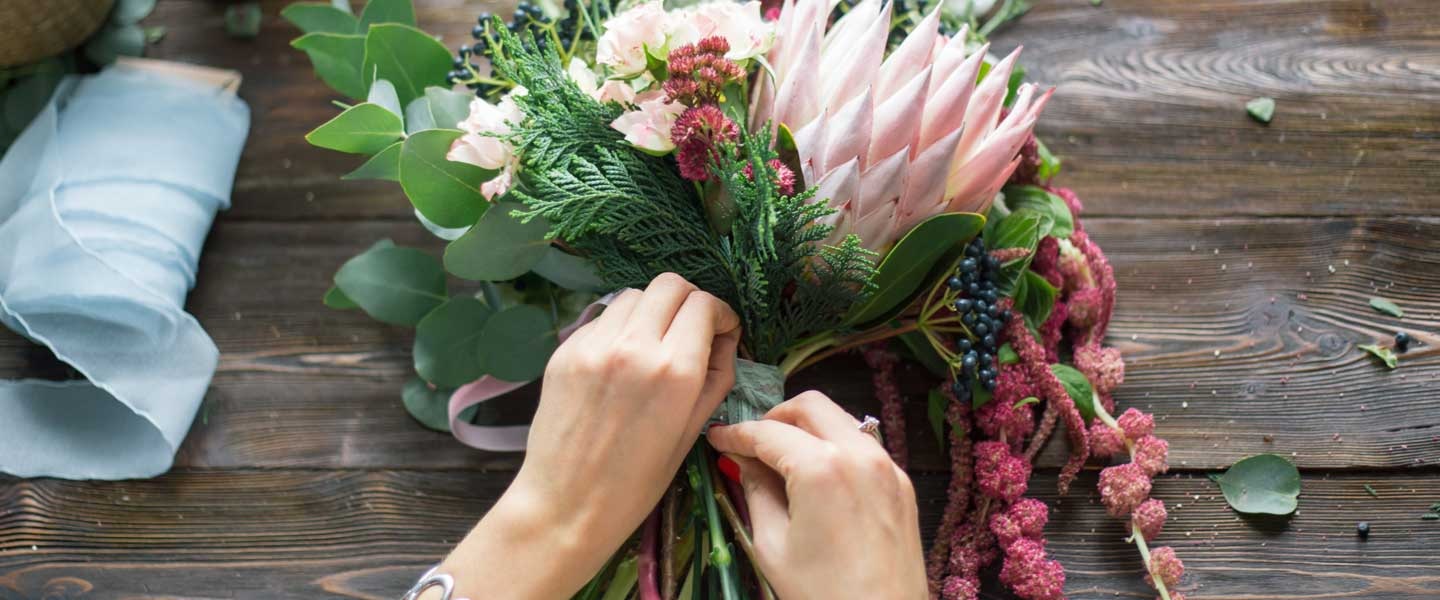
A bouquet is always more than just a collection of beautiful flowers. Its shape, fragrance, types of plants, and, of course, its color all contribute to the overall impression.
Therefore, when ordering an arrangement, do not be afraid to focus on emotions. Think about the person you are giving the flowers to, consider their personality, and decide what feelings you want to convey.
Knowing what the color of a bouquet means can help you make a more thoughtful choice. And the right combination of shades can turn an ordinary gift into a special gesture of attention — one that will be remembered not only for its beauty but also for the emotion you put into it.